Have you ever imagined a winter morning without running water? You turn on the tap, but no water comes out, and the frozen pipes will eventually burst. People living in cold regions have lived with this constant anxiety. In Nagano Prefecture, there is a company that has quietly continued to alleviate this anxiety and protect the "normal" life of having running water.
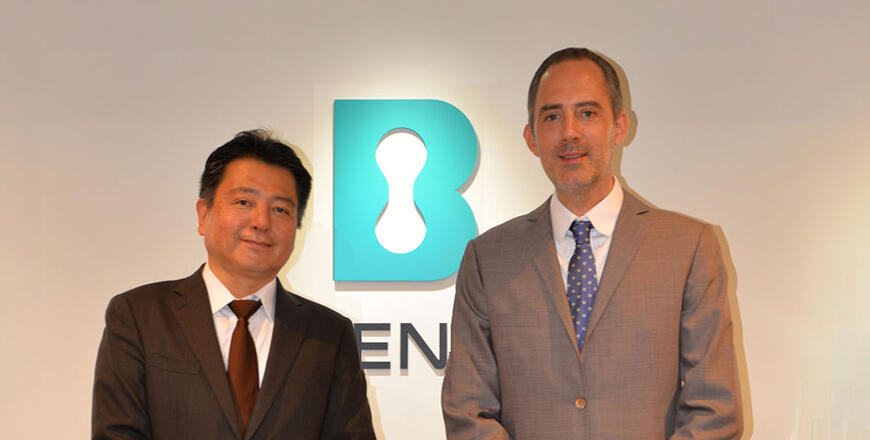
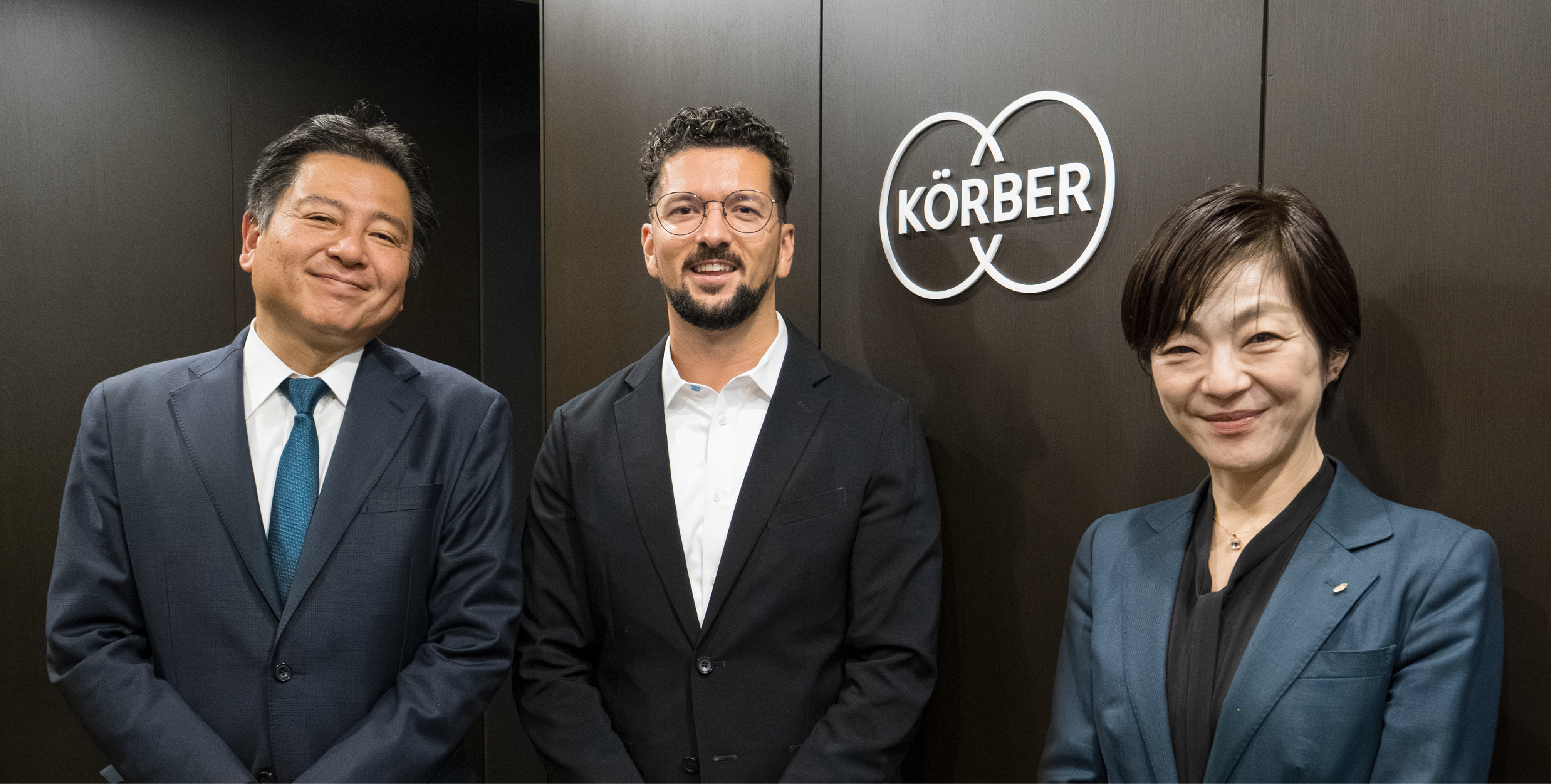
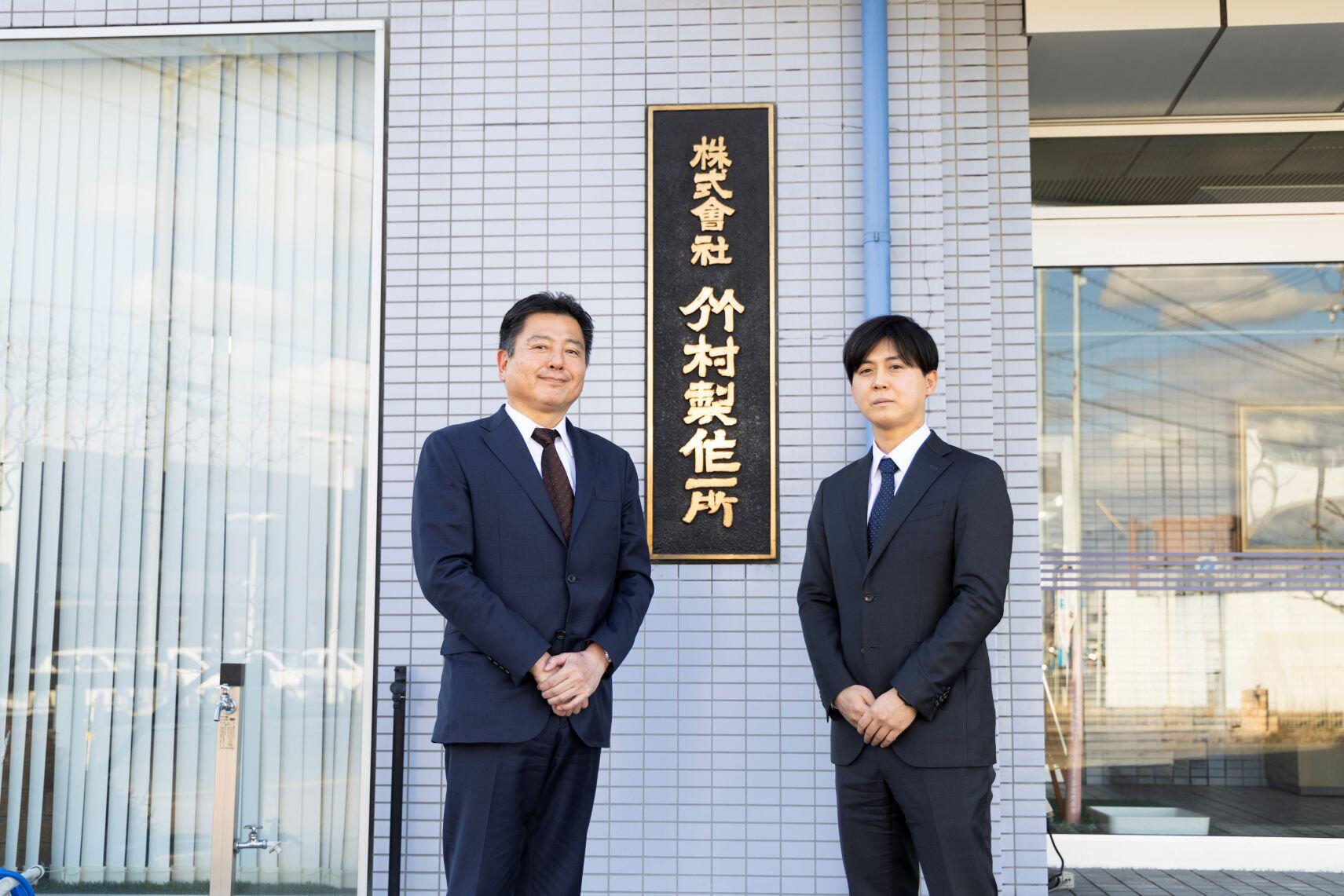
Takemura Manufacturing Co., Ltd. has been a manufacturer of water environment equipment and facilities for 75 years, with frost-proof faucets at its core. Katsutoshi Takemura, who became the representative director in 2024, is using the founder's words, "Put yourself in the user's shoes," as a guide to expand the scope of this philosophy from product development to organizational transformation. Masakazu Haneda, president of Business Engineering (B-EN-G), visited Nagano to trace the philosophy at its root.
Products buried underground support daily life during the winter.
When Haneda said, "When I was a child, in Yamagata, my mother's hometown, we used to leave the water running from the tap. If we turned it off, my parents would get very angry," Takemura responded with a laugh, "If you turn it off, it will freeze. In Yamagata, I'm sure you're using our products."
An anti-freeze valve is a device installed on pipes in cold regions to prevent freezing and bursting during winter. Turning the handle stops the water flow deep underground, allowing any remaining water in the pipe to drain naturally and prevent freezing. Once installed, it is buried underground and is not normally visible. However, if it doesn't function, winter life comes to a standstill.
The difficulty lies in the fact that cold regions are not uniform. Freezing depths vary depending on the local temperature, differing significantly between Nagano and Tohoku. In Hokkaido, the water-stopping technology itself is different from that of Honshu. In Honshu, the mainstream method uses "plate valves," which stop water flow by pressing a plate-shaped component against the valve body, but in Hokkaido, a method that changes the flow of water using a rubber ring (O-ring) has taken root. It's not a matter of the degree of cold, but rather that the origin of the technology differs from region to region. "It's not because Hokkaido is particularly cold, but because the origin of the technology is different. Regional differences still remain."
 Each time Takemura Manufacturing expands into a new region, it faces differences in each area, and has improved its products through repeated failures. "A product that works in one region may not work in a neighboring region due to differences in water quality, soil, and other environmental factors. However, it is through this iterative process that we have accumulated know-how. Now, we are developing highly versatile products that can be used in any region." The competitiveness that other companies cannot easily catch up with is based on the accumulation of such steady efforts. The number of product items is approximately 23,000, and the number of bills of materials (BOMs) showing the component configurations is approximately 72,000. The depth of this product range is a direct result of 75 years of engaging with different regions.
"Put yourself in the user's shoes"—the more intangible the product, the more honest you should be.
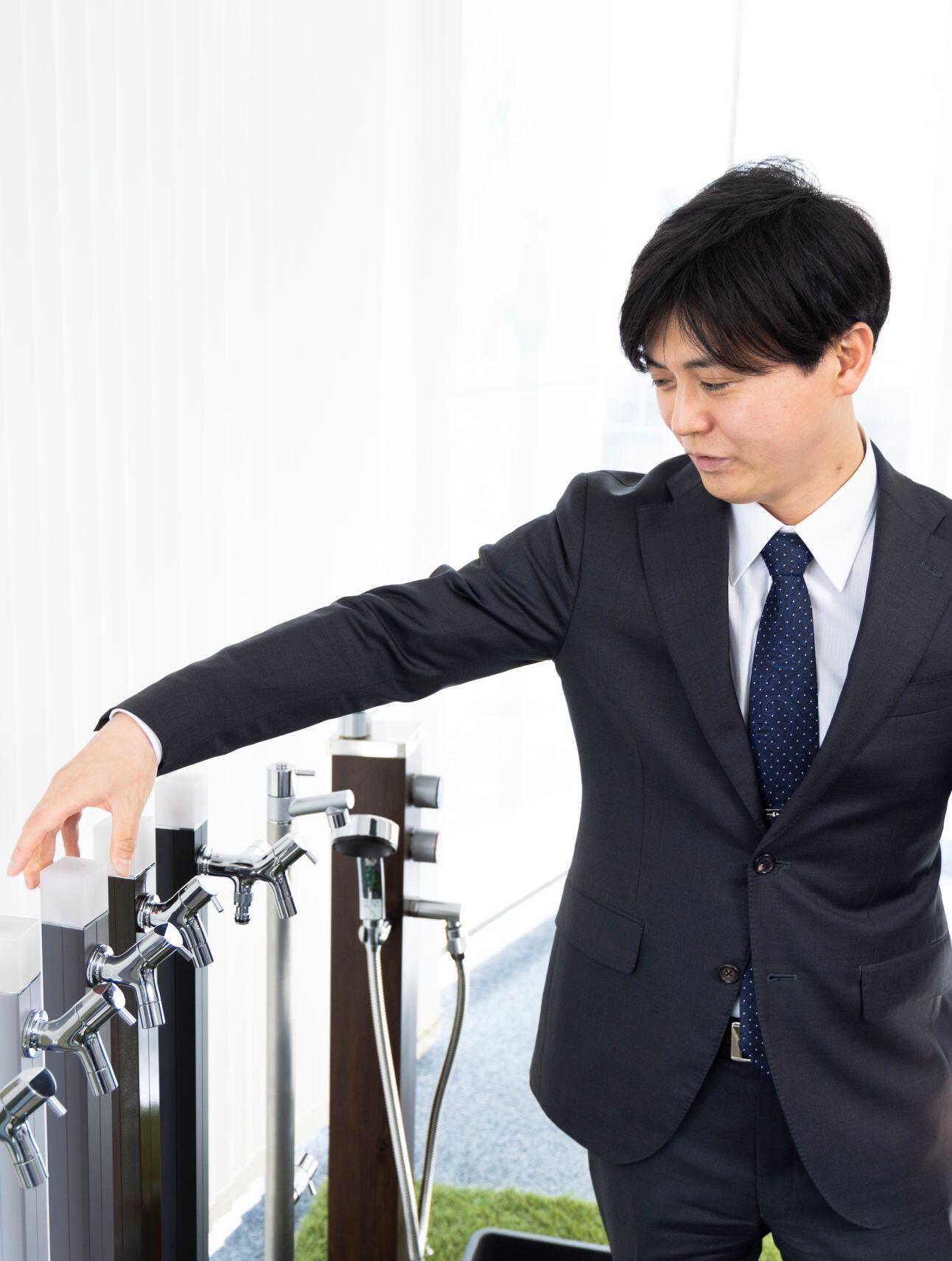 At the heart of Takemura Manufacturing's manufacturing philosophy lies the founder's motto: "Put yourself in the user's shoes." "I believe there's a reason why there's no follow-up to the founder's phrase, 'Put yourself in the user's shoes.' It's not just about 'making things' from the user's perspective, but about 'understanding things' from the user's perspective. This awareness has become the company's philosophy for me. We've been able to gain market share because we've created products while imagining the users—the construction companies that install the products, the end users, and so on—and listening to their voices."
Frost-proof faucets, buried underground, cannot be easily replaced once installed. That's why the company has consistently focused on designs that allow for repairs and parts replacement only from the parts visible above ground. They don't aim to create "products that never break," but rather "products that don't inconvenience the user when something goes wrong." They design their products with the assumption that they will be used for 10, 15, or even 20 years. Because it's unseen, they must be honest and sincere—this philosophy permeates all areas of their business.
Takemura Manufacturing's business extends beyond frost-proof faucets. They also operate in areas such as exterior water faucets and water environment equipment, but none of these ventures were "planned."
"Our entry into the exterior design industry came about after we exhibited at a trade show, which led to a call from a client. The driving force behind our entry was the desire of our representative to 'give it a try.' We were surprised to learn that there was a demand for exterior products that utilized our technology and know-how."
The robustness of the products, meticulously crafted for cold climates, surpassed the standards of the exterior construction industry. Every single piece of feedback on the prototypes was taken seriously, and this "I can't believe they're doing this much" attitude eventually led to trust. The same applies to the water environment business. Various fluid control technologies invented and patented by the founder flow equally into both frost-proof faucets and circulating filtration systems. In every business, the core principle of "putting yourself in the user's shoes" and the core of their technology remain unwavering.
Unexpected business succession
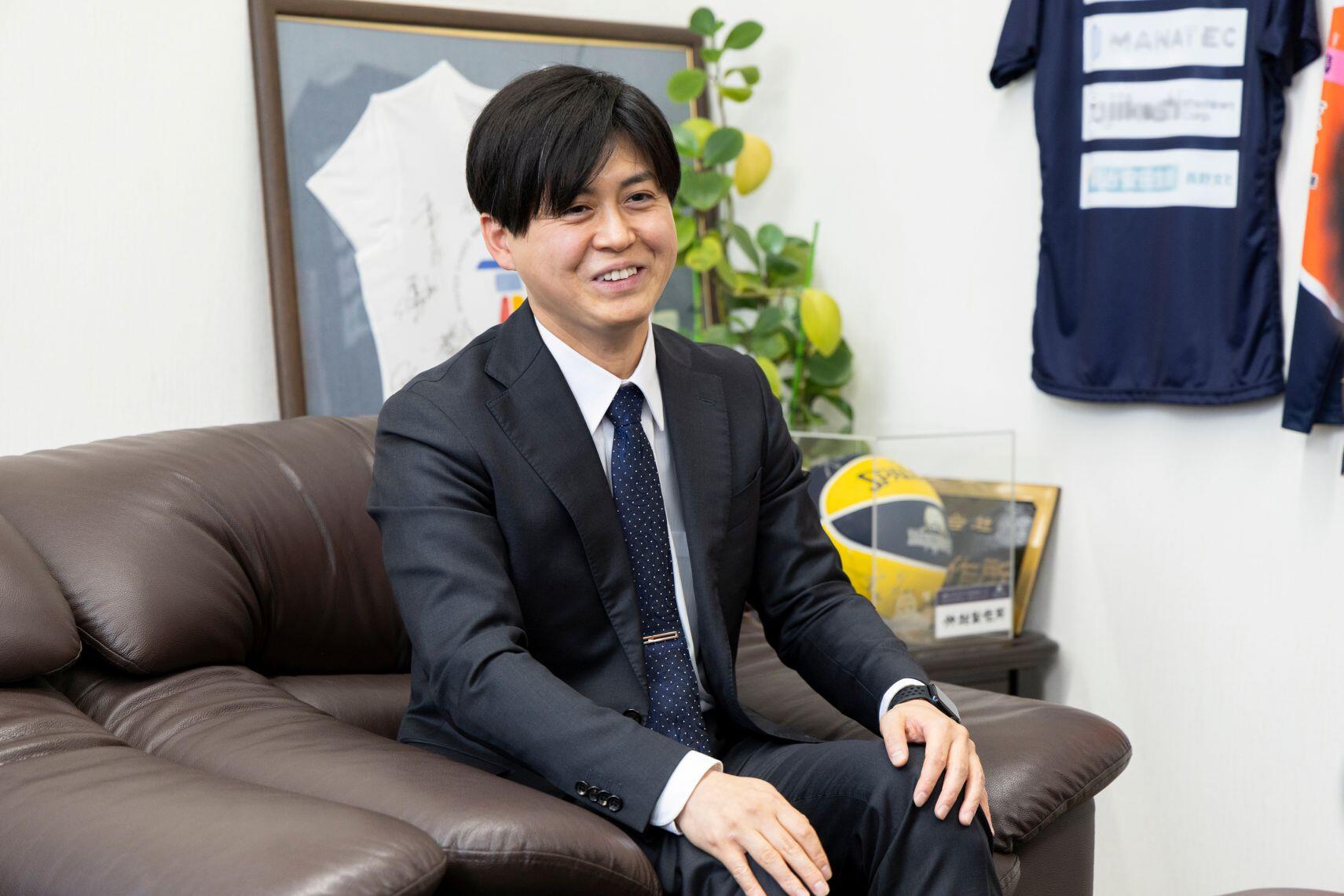 As the second son, Mr. Takemura pursued a completely different career in a field unrelated to the family business until around 2016, but in 2018 he joined the company to take over the business. "At first, I thought, 'Why me?'" Mr. Takemura recalls with a laugh, as he joined the company with the title of head of the management planning department.
The first thing I noticed was the unexpected "freedom." "I was surprised to find out that such a free company existed. My father had a philosophy of delegating tasks to others and a company culture that encouraged challenges, so the delegation of authority was quite advanced." The atmosphere where everyone could speak freely in front of the president was indeed rare. However, behind this freedom were problems that were only visible to outsiders. "On the one hand, everything was fragmented by department, and the whole company wasn't looking in the same direction. In addition, having been the top company in the domestic market for so long had made our perspective inward-looking. Even when it came to challenging new things, discussions were centered on the business environment and successful models at the time, and as a result, it was difficult to bring about significant change."
The stability that came from being at the top for so long had made the organization inward-looking. Optimized workflows for each department, a proliferation of Excel-based management—"It was hard to call it an organization where discussions could be held on overall optimization," Takemura recalls of the situation at the time.
For six years as head of the Corporate Planning Department, I dedicated myself to "correcting structural flaws that were hindering company-wide optimization." I organized data, connected departments, and built a foundation for discussion. This accumulation of work became the conviction for the transformation I initiated upon becoming president. "The goal isn't to change the system; it's to change the organization through that change"—this was a perspective I could only gain by coming from the outside.
Rather than focusing on defensive stability, we are determined to create change.
The market for frost-proof faucets is slowly shrinking along with the declining population and the decrease in housing starts. Deregulation has changed the standards for the number of faucets that can be installed, and competition is intensifying. Mr. Takemura frankly states, "The market in cold regions is shrinking sharply, and the situation is extremely difficult." However, the company has no intention of becoming complacent. Rather than relying on its long-standing position as the market leader, it continues to ask itself how to expand its value.
The technology and trust accumulated over 75 years will be extended to non-cold regions within Japan, and eventually to the global market. "The fluid control and antifreeze technologies we have cultivated will undoubtedly be useful overseas"—there is a basis for these words. It is the conviction that the accumulated technology, built upon failures and lessons learned in each region, will function in the same way even when entering new markets.
When Mr. Takemura took office, he revamped the company's purpose to "Creating a prosperous society with water" and its mission to "Transforming from a manufacturing company to a change-creating company," which was a declaration of his intentions.
"Frost-proof faucets have supported the everyday lives of people living in cold winter regions. We believe that they should now become something that can address a wider range of regional and societal issues, so we have made these changes."
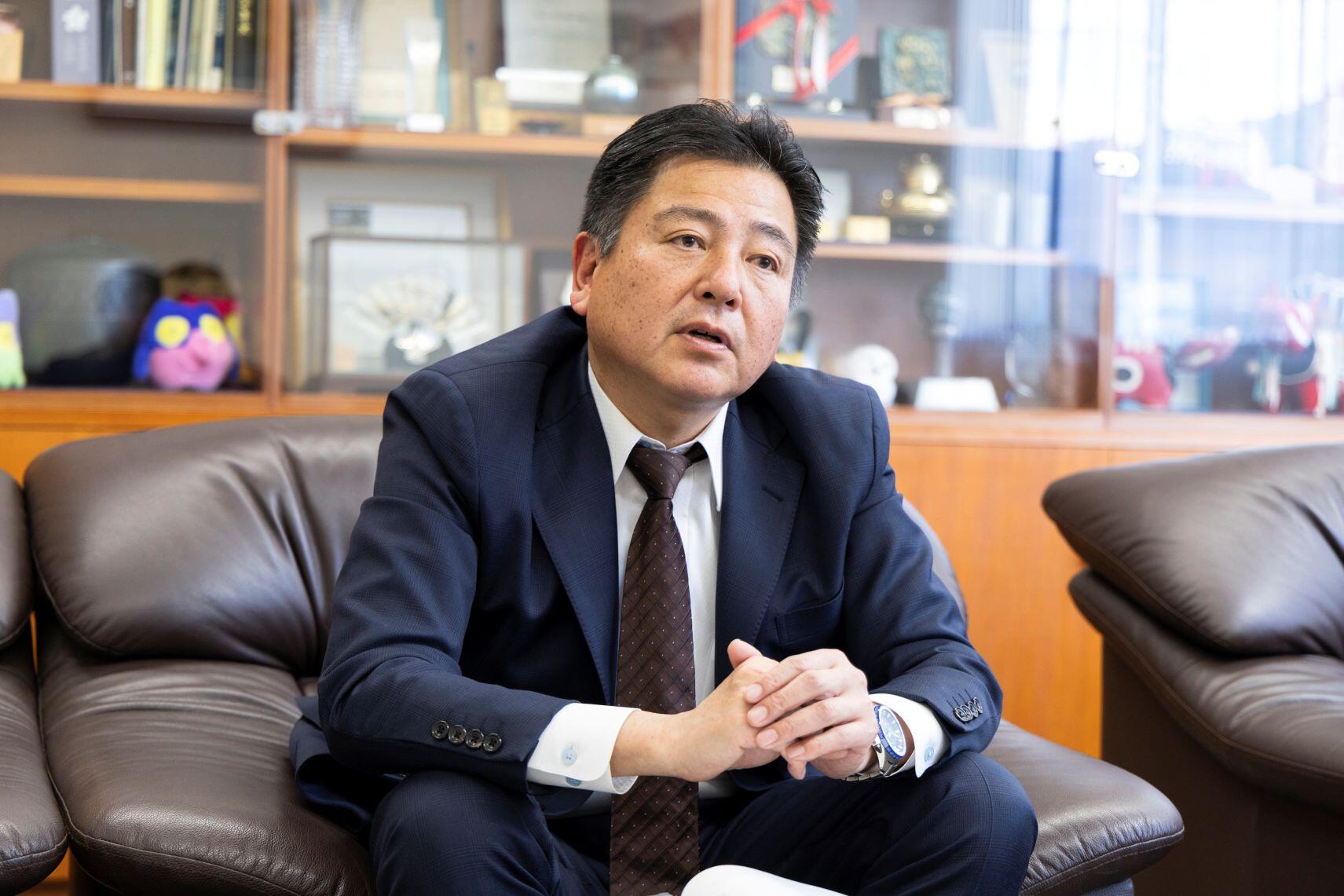 When Haneda heard the phrase, "From manufacturing to change creation," something came to mind. B-EN-G, too, had adopted the phrase "to increase the number of creative industries in the world" as its purpose, and was exploring a shift in its positioning from an IT company supporting manufacturing to a more creative industry. The idea of not just making things and services, but creating new value—this feeling resonated between the two of them. "B-EN-G has also arrived at the term creative industry," Haneda replied, and Takemura quietly nodded. The two companies, different in industry and position, had arrived at the same words. Even though their approaches to manufacturing differed, their ultimate goal was the same.
Fueled by ideals and transformation, we create the future.
To shift towards a more proactive management approach, it was necessary to change the organization itself. During my six years as an outsider, I had seen the "departmental silos" and "data fragmentation"—product-specific costs could not be accurately tracked, inventory placement relied on the experience of each branch, and operations depended on Excel and individual judgment. This meant that the entire company could not compete on the same playing field.
The approach Mr. Takemura chose was to "completely discard the currently operating system and rebuild the entire process from scratch." Instead of partial improvements, he aimed for a complete reset. He then used the resistance to this change to transform the organization. His decision to adopt mcframe X, the first cloud-based ERP for manufacturing in Japan, stemmed from his belief that a continuously evolving platform would serve as the foundation for transformation. He formalized the policy of aligning with standard ERP processes, effectively eliminating the "this is how it's always been" logic of individual optimization.
"Our goal wasn't simply to implement the system, but to use it to transform the organization so that employees on the ground could take initiative and engage in discussions focused on overall optimization.
At the heart of the project was a candidate for the next generation of leaders, tasked with coordinating between departments. The design aimed to advance transformation and talent development simultaneously. As a result, it also became a platform for Mr. Takemura's own growth. "People don't move based on theories and logic alone. Once I realized that aligning assumptions and information is the first step to mutual understanding, I started going into the field myself and listening to each person's story." —This practice gradually began to move the organization. "I think this is an endless reform, but we've laid the foundation," Mr. Takemura said, without any sense of burden.
The transformation brought about more than just increased operational efficiency. There was one more thing Mr. Takemura wanted to achieve through this project: to create an organization where employees feel that "the more you learn, the more you can do."
A prime example of this is the in-house development of an AI-powered visual inspection system at the factory floor. Members of the manufacturing team, who did not receive specialized IT training, developed the AI inspection system themselves. "If inspection is automated, there will be no need to deploy people. Then automated transport will become possible. Automation will also be applied between processes, bringing us closer to a smart factory." One learning experience leads to the next change. Such a chain reaction has already begun.
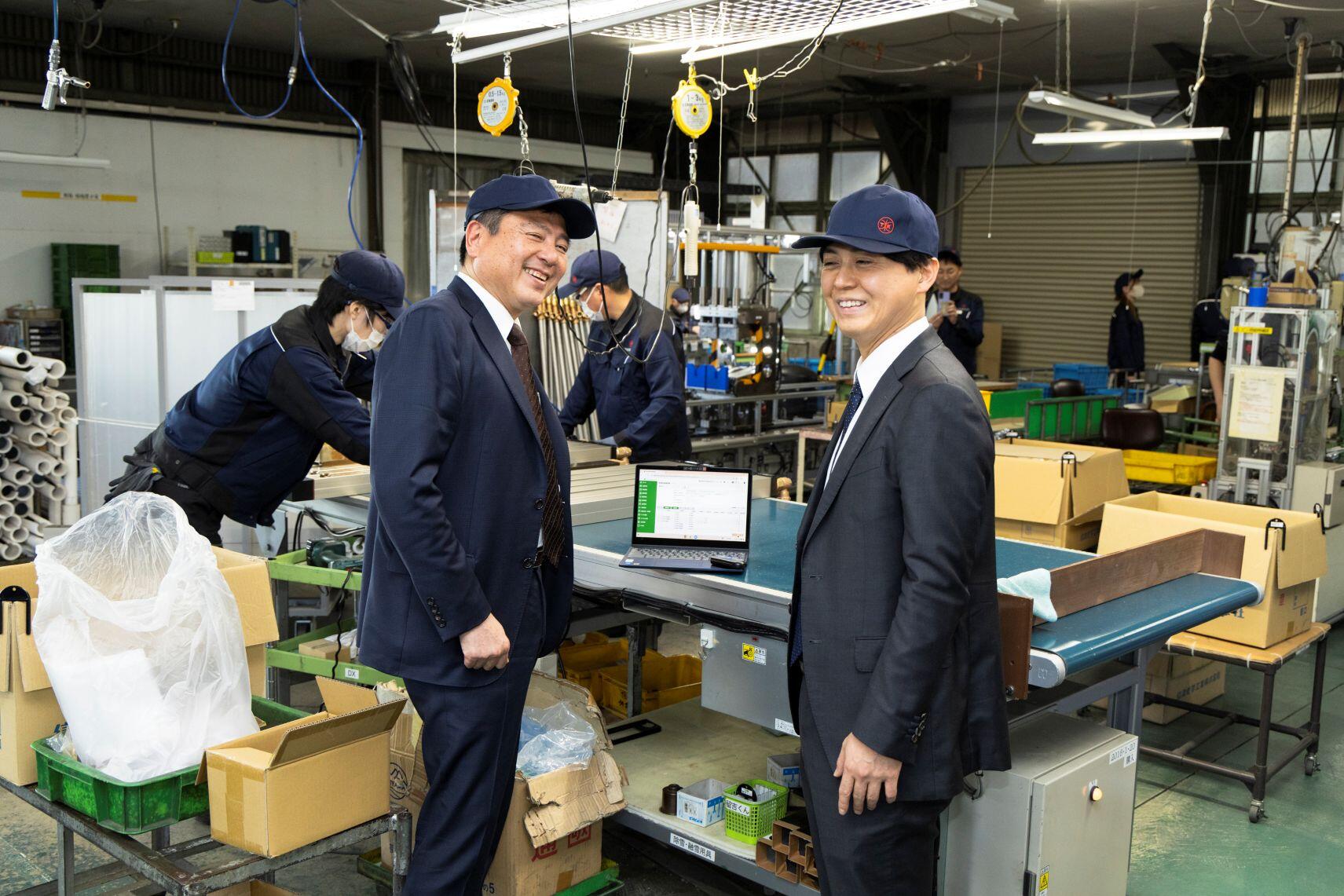 "By providing opportunities to learn and supporting them, we believe we can create a culture where people understand that 'the more you learn, the more you can do,'" Takemura said. Haneda responded, "People change through learning."
Combining the company's long-standing asset of "putting ourselves in the user's shoes" and its continuously refined technological capabilities with an organizational culture that operates with overall optimization in mind and a culture of learning—this is how Mr. Takemura's vision of becoming a "change-creating company" is being forged. For a company that has upheld "putting ourselves in the user's shoes" for 75 years, there is no reason for reform to end. As long as the criteria for decision-making remain unwavering, transformation can continue. Isn't that the essence of Takemura Manufacturing's strength?
[REPORT] From Masakazu Haneda's interview notes
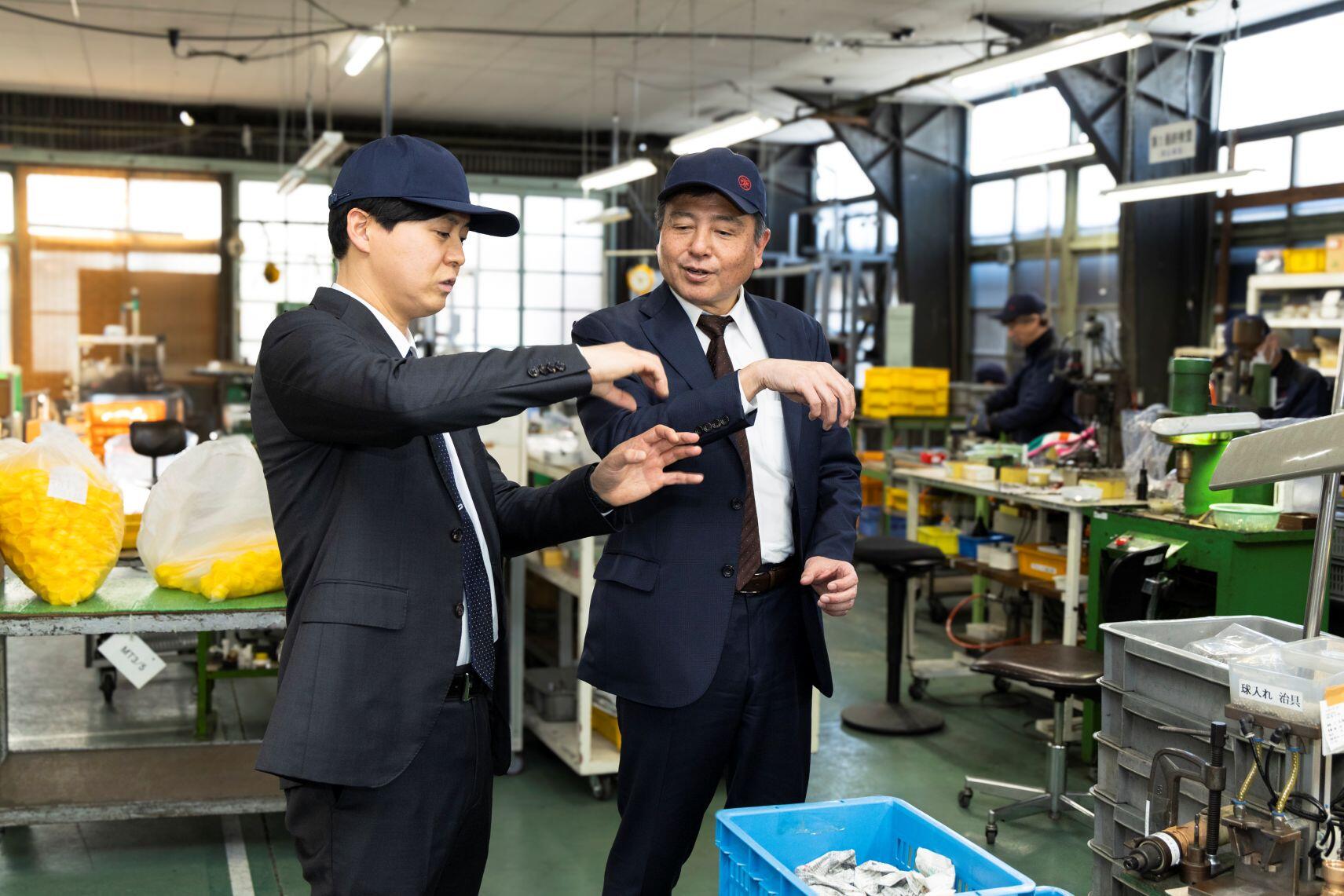
This time, we visited Takemura Manufacturing Co., Ltd. in Nagano City, Nagano Prefecture, and spoke with President Katsutoshi Takemura about the company's history, characteristics, and efforts toward digitalization. We also toured the head office factory, where we were able to get a glimpse of their on-site-driven digitalization activities. Below are some of the points that left a strong impression on us.
Driving transformation while leveraging the unique characteristics of the company
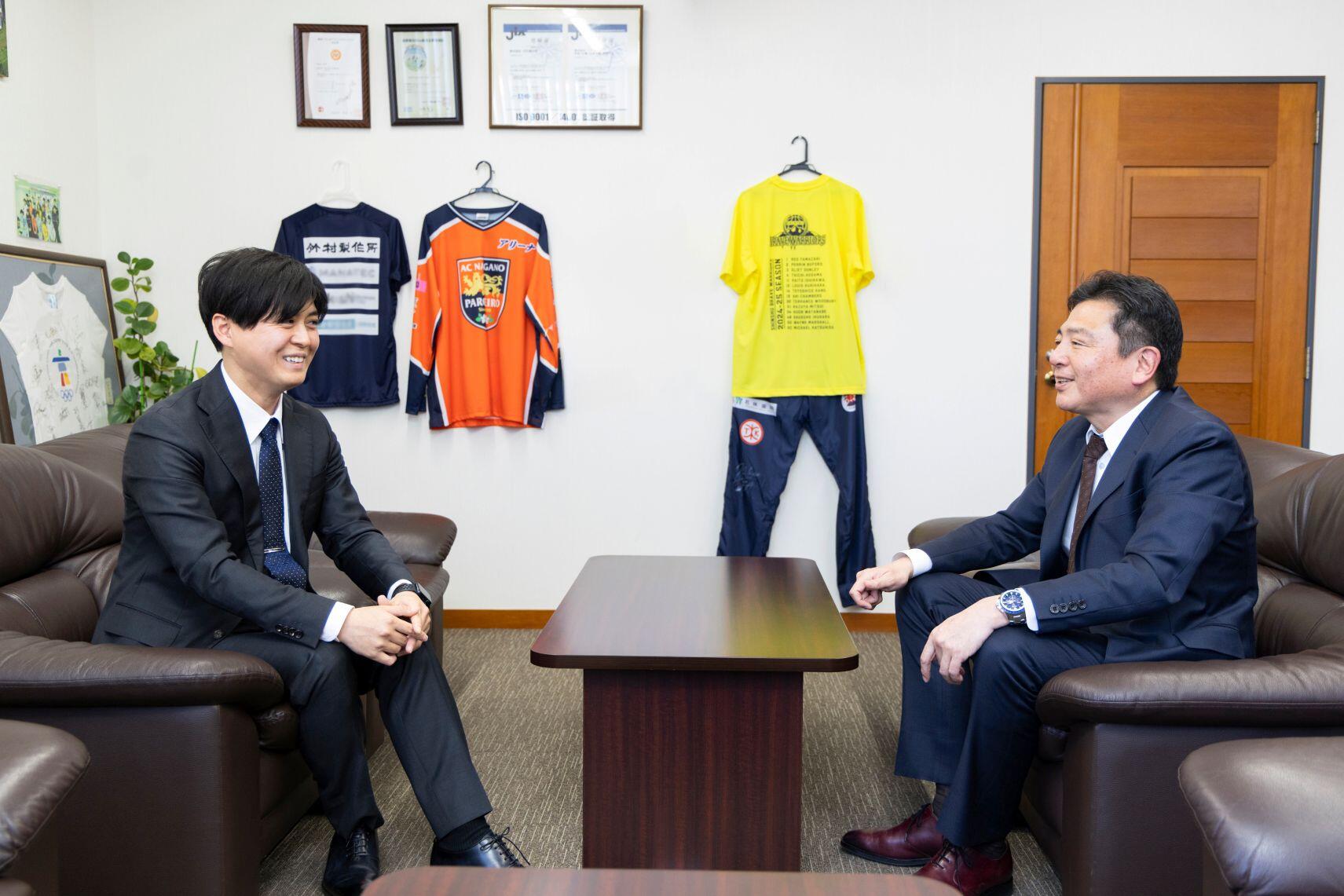 One of the company's distinguishing features is its free and open corporate culture, which is quite rare for a mid-sized company run by the founding family. I've also heard from members of B-EN-G that lively discussions took place during project execution, regardless of job title. I sincerely respect how this young president, a member of the founding family who transitioned from a completely different career path, transformed the company while surrounded by veterans with longer careers than himself. He managed to drive change in such a difficult position.
The approach chosen by President Takemura was to "re-examine the company's operations from scratch, using mcframe X as a model." The supply chain (production management) in the manufacturing industry is an area where standardization is difficult due to significant differences between industries. The design philosophy of "mcframe X," a SaaS product newly created based on 30 years of feedback from Japanese manufacturing, aligned with President Takemura's policy of transformation. While there are many projects where the top management simply gives orders and leaves it to the people on the ground, President Takemura's participation in meetings at the project site, sitting down with employees and grappling with their concerns, was very impressive.
Digitalization of small and medium-sized enterprises
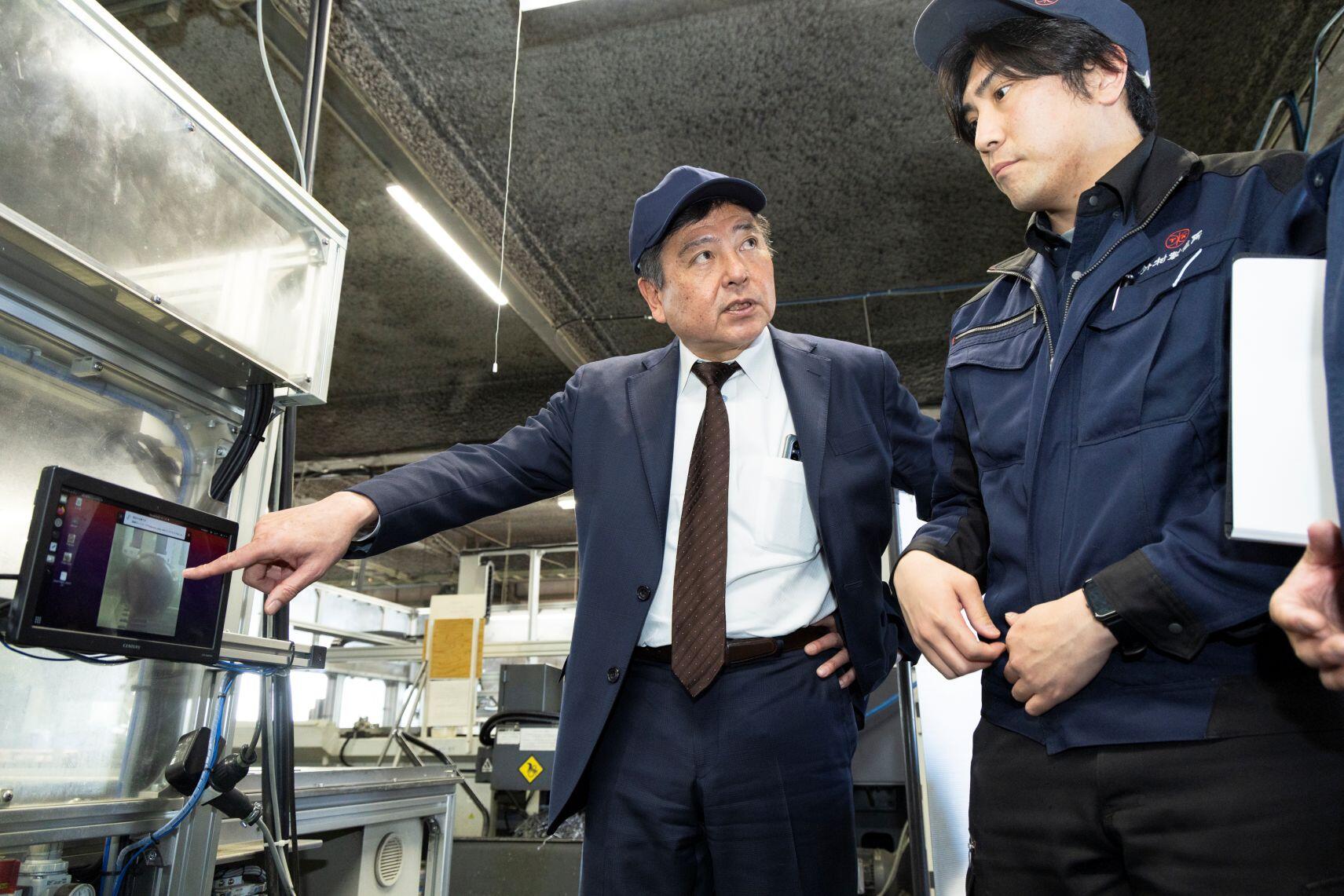 Another point I realized again during this interview is that "the feasibility of digitalization is not determined by the size of the company." I often hear from managers of small and medium-sized enterprises (SMEs) that "even if we talk about DX, we don't have any digital talent." In fact, at this company, there were very few people with IT experience when the project started. President Takemura said that he selected mid-career and young employees and that "everyone, including myself, grew through the project," and I felt that this contained important insights for SMEs considering digitalization. During the factory tour, I was amazed to see that the inspection system created using AI was in operation, operated by people who normally work on the factory floor.
It's often said that Japan lacks digital talent, but young employees and those joining the company in the future are all "digital natives." This interview solidified my conviction that the future of a company hinges on how effectively its management can create an environment for digitalization.